
LibreMesh for wifi
LibreMesh
While I enjoy LoRa meshes, my Perfect World mesh implementation would be something like a smartphone-1 and/or wifi router-based mesh that would pass FidoNet-like traffic2.
I am also interested in sharing internet connections. This could go off the rails, of course, as soon as miscreants realize they could abuse the system. My first thoughts about that were about account-based access. My most recent thoughts are about making the target less attractive, and lessening any legal exposure.
- whitelisted services
- internet backhaul bandwidth that’s constrained enough to make it usable for text-based services and painful for bandwidth hogs
- tunnel all internet-bound traffic through TOR or similar
hardware
For this experiment I picked up an old Linksys EA7500 v1 for $10 to experiment with LibreMesh. There are v1, v2, and v3 but the v1 seems to have the hardiest CPU. All of them are 128MB/256MB, well in excess of the LibreMesh project’s 16MB/128MB minimum recommendation.
The US market firmware, once flashed onto the device, will only allow flashing of firmware signed with Linksys’ GPG key. This is a problem if you want to run OpenWRT or similar.
serial access workaround
According to the OpenWRT’s wiki entry on this router the workaround is to connect to the board via serial and flash an OpenWRT image or a non-US factory image which will not enforce the signature requirement.
The section of the wiki that deals with serial hardware is notoriously confusing.3 There are likely a few reasons for this:
- the page was written by different people over time
- the main author of the serial section doesn’t seem overly familiar with technical English
- the v1 of this router actually comes from the factory with various serial-related components soldered in or missing. Compare the lower-right section of this photo with this one. The one I have is mostly like the former (header pins and transistors soldered in, circled in blue in this pic) but has a tiny component soldered in where the ground goes (red arrow).

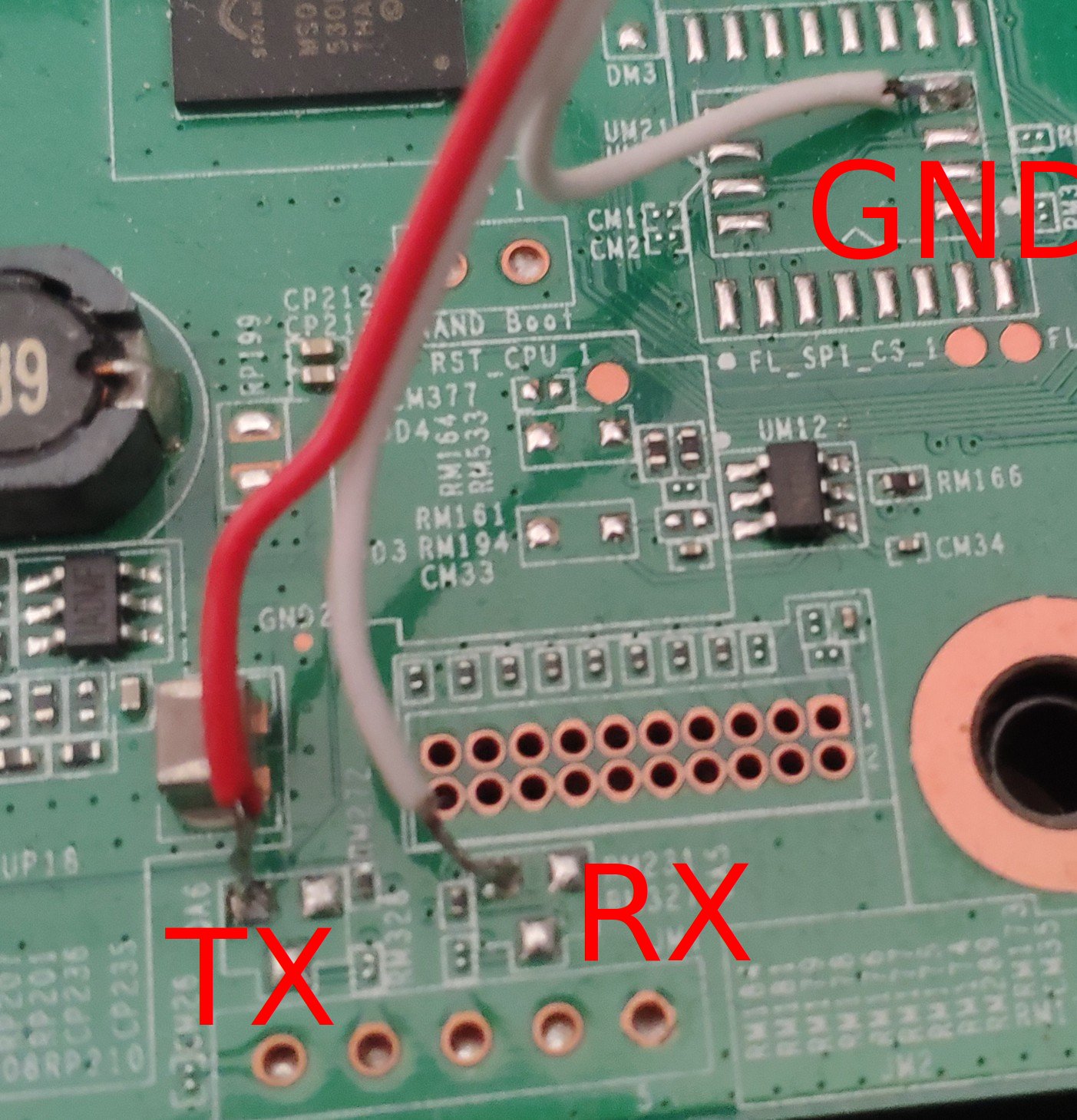
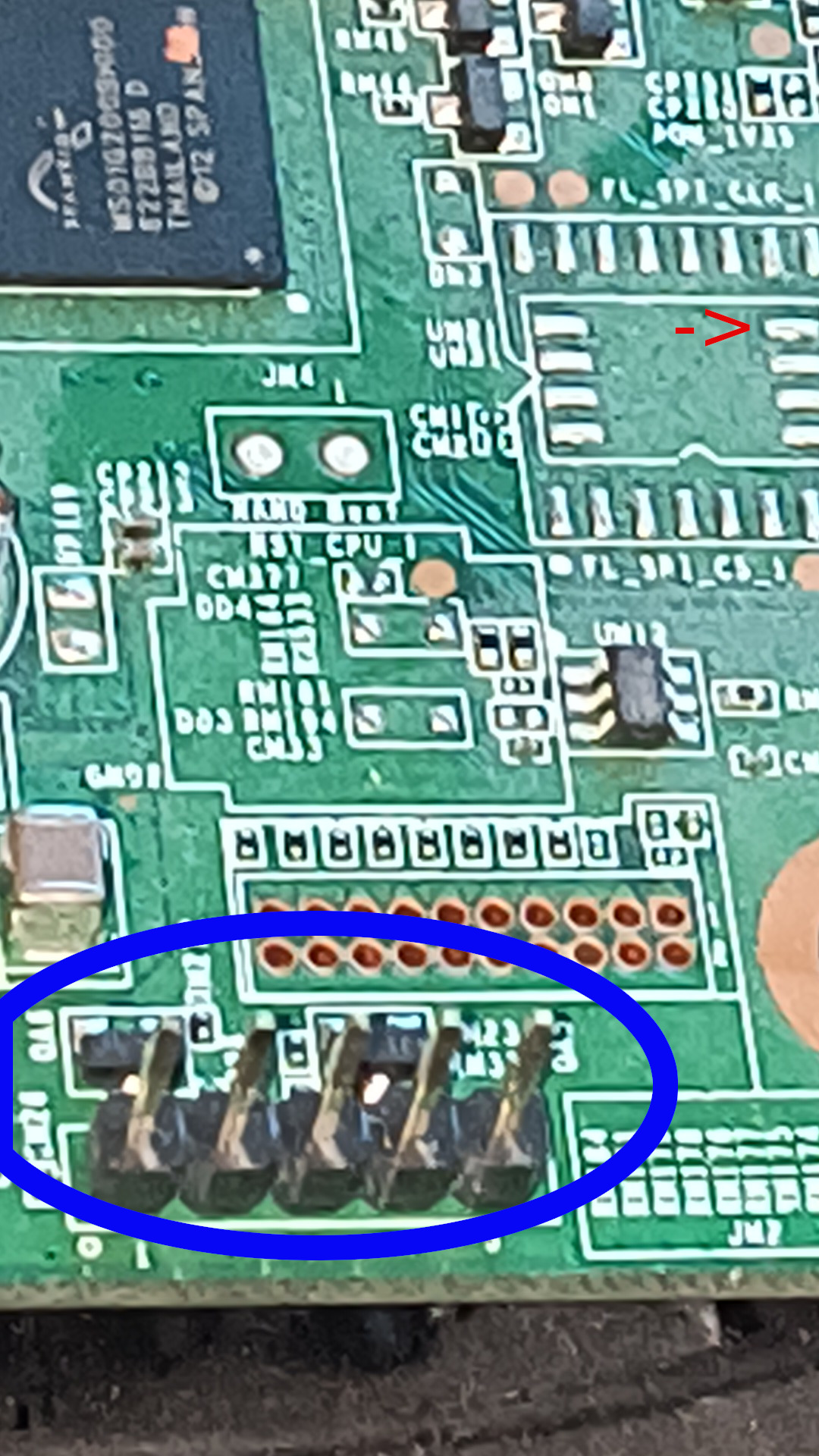
My understanding based on the wiki article a few different threads4 is that mine is running 3v3 logic and all I have to do is connect the USB-to-serial adapter to the TX, RX, and GRND pins. We’ll see about that.
Right now I’m waiting on the adapter to arrive from Amazon – should be here on the 4th.
installed
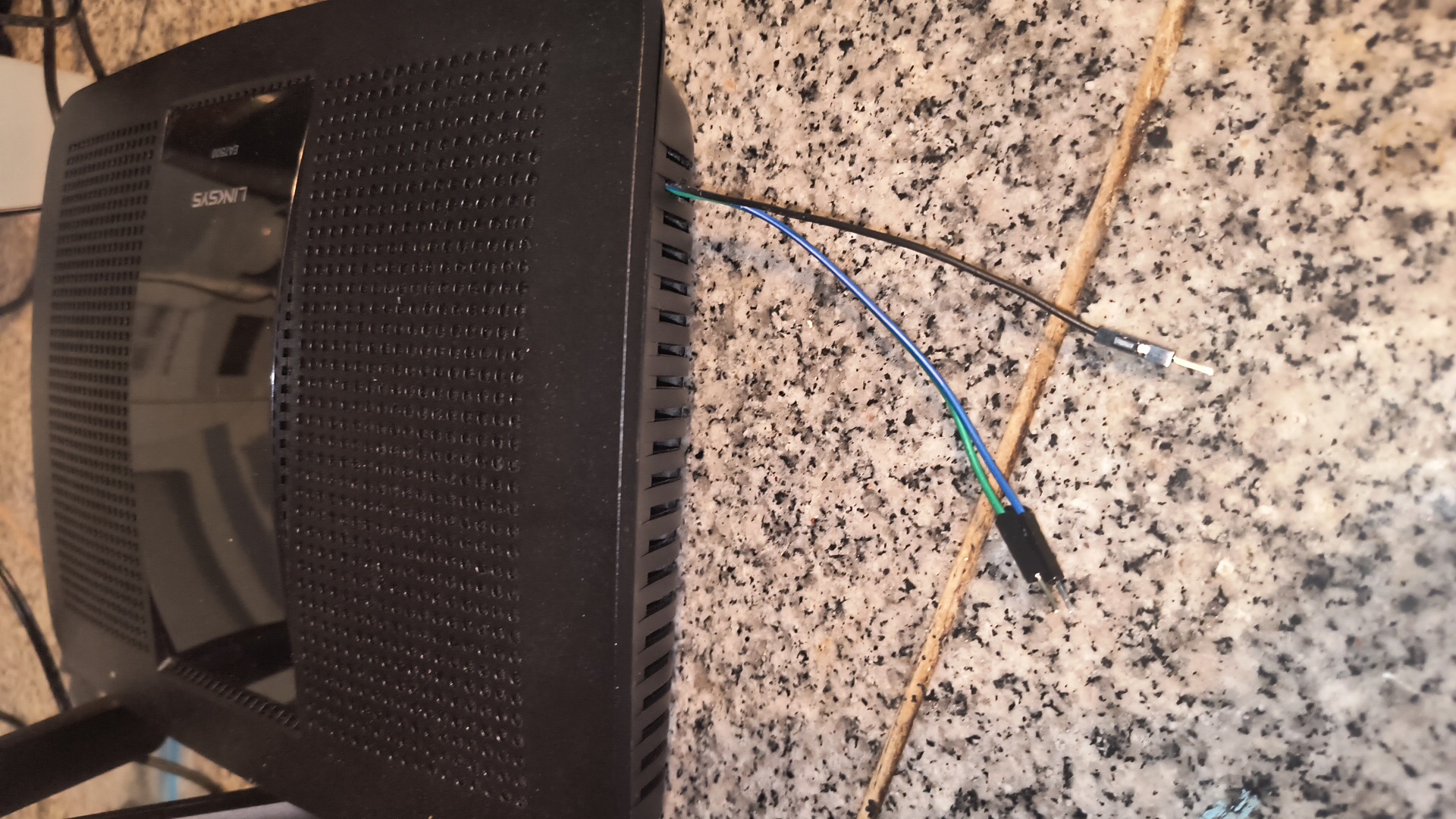 Ok. The serial connection worked fine once I figured out how that worked. I’d done
 tftp flashes before but none that required serial. I ran the wires out of a slightly-enlarged vent hole. The lid is just sitting there; I’ll hotglue the pass-through to keep them from pulling on the header pins.
I got LibreMesh installed and didn’t particularly like it. Flashed back to vanilla OpenWRT and did a minimal setup. The wifi will remain passworded until I figure out the tor tunnel thing.